



Who our book formatting services are for
You have a manuscript, a publishing plan and probably a folder called “Final” containing several competing finalists. We help self-publishing authors turn that material into pages that feel like a book: readable, consistent and suited to the edition they want to publish. BrainON works with authors in Canada, the US and worldwide, across fiction, memoir, nonfiction, poetry, illustrated books and children’s titles.
Book interior design is more than making a document behave. A novel needs an inviting rhythm; a practical guide needs a clear route through headings, examples and notes. We look at how your reader will use the book, then give the content a visual structure. You do not need a vocabulary full of printing terms to explain what matters to you.
What happens to your manuscript during book layout
First we read the structure, not just the word count
Before typesetting, we look for the different kinds of material in your manuscript: chapter titles, quotations, lists, captions, footnotes and anything else that needs its own treatment. Two books of the same length can involve very different work. A continuous story and a workbook full of tables should not be dressed in the same clothes.
Next, we establish a page system. The type, line spacing, white space and chapter openings should work together rather than compete for attention. A sample helps you judge the reading experience before the complete manuscript takes that shape. Tell us if you prefer a quiet, traditional page or a more expressive treatment, and show examples you like.
Then we follow the details through the whole book
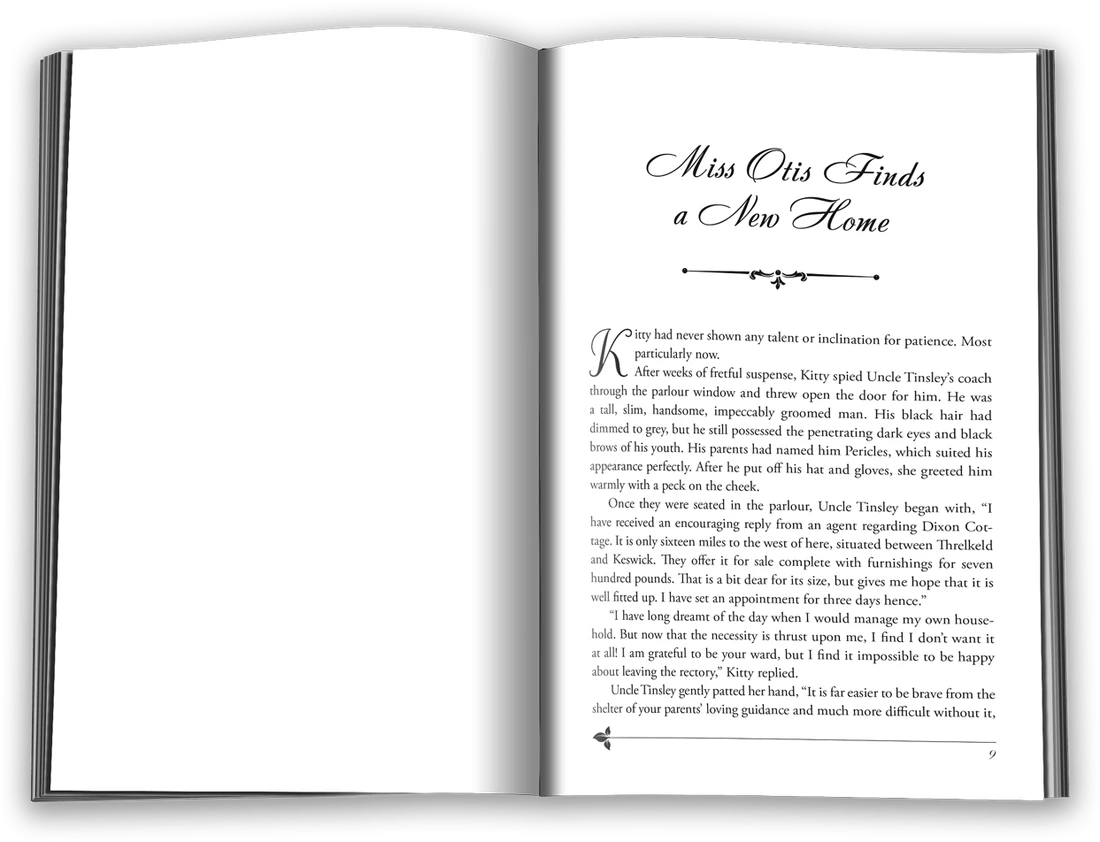
We apply that system consistently, checking how paragraphs and illustrations fall across pages. Page numbers, running heads and the table of contents must help readers find their way. Drop caps can give a chapter an attractive opening, but they should suit the voice of the book rather than appear simply because the software offers them.
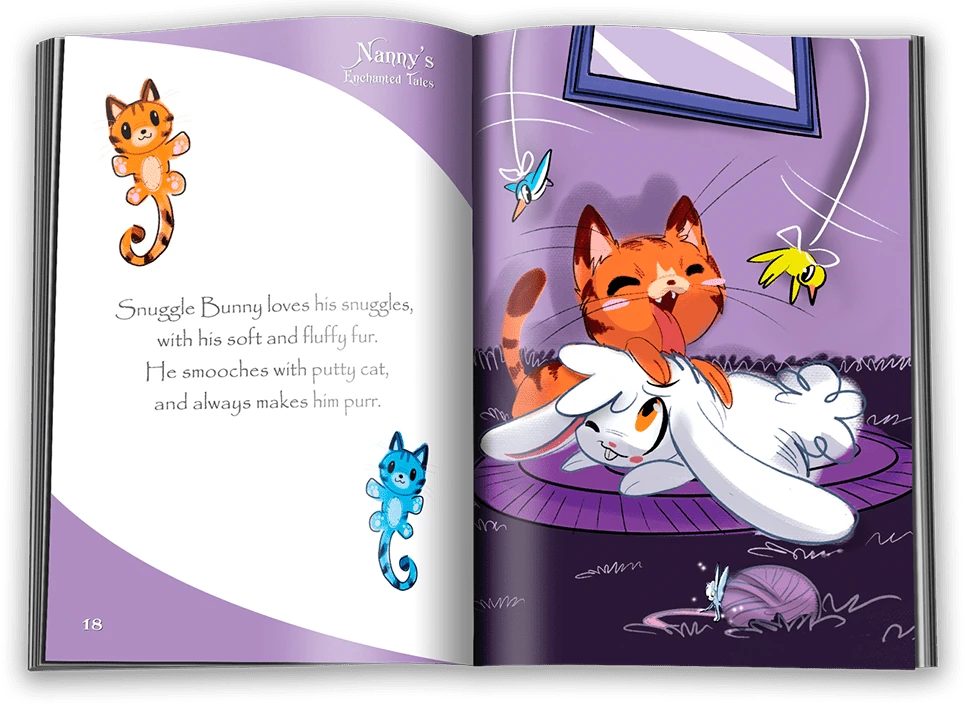
Image preparation in Photoshop, retouching and text wrapping are included in layout. We consider where each picture belongs and how much room it needs. A detailed map may need space to remain useful; a small decorative image should not push the story into an awkward corner.
How to prepare your manuscript for formatting
A tidy handover helps us understand your intentions. It does not require you to do the designer’s work first. Our guide to preparing a manuscript for book layout explains the starting point in more detail.
- Send the manuscript you want us to use, with chapters in their intended order. Resolve competing versions before handover.
- Finish editing and proofreading the wording first. Later, check the designed pages for layout issues and anything the earlier reading missed.
- Identify headings, quotations, lists and special passages consistently. Add a short note if a treatment has a particular meaning.
- Supply original image files as well as showing their intended positions. Include captions and explain which picture belongs with which passage.
- List the front matter and back matter you want: title page, copyright wording, dedication, acknowledgements, references or an author biography.
- Tell us your intended printer or platform, the editions you need and any existing production specifications.
- Flag anything unusual, including poetry spacing, multilingual passages, complex notes or illustrations that must stay beside specific text.
Book formatting decisions: trim size, margins and bleed
What trim size should your book be?
Trim size means the finished width and height after cutting. It affects the feel of the book, the room available for illustrations and the number of pages the text occupies. A smaller page can feel intimate, but squeezing a diagram into it may make the diagram less useful. Choose with your content and reader in mind, then check the production options for your intended edition.
Margins are breathing room, not wasted paper. The gutter is the inside margin beside the binding, where a reader has to open the book to see the words. KDP’s minimum inside margin increases with page count, as the guide below shows. These are minimum requirements; a comfortable page may need more generous space.
KDP minimum inside spacing by page count
| Page count | Inside margin |
|---|---|
| 24–150 | 0.375″ |
| 151–300 | 0.5″ |
| 301–500 | 0.625″ |
| 501–700 | 0.75″ |
| 701–828 | 0.875″ |
These minimums apply to the KDP print interior. These figures are not a general template for every printer.
Should your images have white space around them or run to the edge?
An image within the reading area leaves paper around it. An image intended to reach the trimmed edge needs bleed: extra image beyond the cut so a small cutting variation does not leave a white strip. For a KDP interior, allow 0.125″ (3.2 mm) at the top, bottom and outside edge. A 6 × 9″ book therefore uses a 6.125 × 9.25″ production page.
If even one interior page has an edge-to-edge image, KDP requires that larger page size throughout the interior file. Outside, top and bottom margins have minimums of 0.25″ without bleed or 0.375″ with it. We translate those requirements into a readable layout; you decide whether the edge-to-edge effect is worth using for the image.
Paper, editions and images for print
Tell us whether you are considering white or cream paper, colour or black-and-white printing, and which editions you want. These choices belong to the publishing plan. An ebook also needs its own reading approach, so discuss ebook formatting alongside the print edition rather than assuming one file will serve both purposes.
Keep original photographs and illustrations available. Enlarging a small preview does not reveal missing detail. For IngramSpark, images should be 300 ppi and the PDF must have its fonts embedded. That helps preserve the intended appearance when the file leaves the designer’s computer. Before sending illustrations, you can check them with our free image resolution checker; it shows which files are large enough for their place on the page.
Common manuscript formatting mistakes we fix
Spaces pressed repeatedly to position a heading, empty paragraphs used to reach the next page, and line breaks inserted to make one screen look tidy can become obstacles when the page size changes. We replace visual improvisation with consistent structure. The aim is to preserve your intention while making it work throughout the book.
Other problems are editorial decisions in disguise: a heading that looks like ordinary text, captions separated from their pictures, or a contents list that no longer matches the chapters. Tell us which distinctions matter. We also look for cramped image placement and inconsistencies in page furniture. A beautifully designed chapter opening should not introduce a completely different book halfway through.
What you receive: a print-ready PDF for your edition
You receive a print-ready PDF prepared for the printer or platform agreed for the project. The page size, margins and treatment of images belong to that particular edition. Keep its specifications with the file, especially if you later change the book’s format or publishing route.
Review the complete book, including the quiet pages at the beginning and end. Check names, captions, chapter order and the relationship between pictures and text. A correction to wording can move later paragraphs, so review the resulting pages as well as the corrected sentence. Cover production also needs the final page count: coordinate it with your book cover design before the wrap is finalised.
How our book formatting services work
- Share the book. Send your manuscript, images, publishing plans and questions. We review the material and establish what the layout needs to do.
- Agree the direction. Consider the page design as a reader would: type, spacing, hierarchy and the balance of text and pictures.
- Review the designed pages. Read the complete layout and collect clear corrections against the version supplied.
- Prepare for production. We prepare the agreed files. Coordination with your printer is free when you order layout.
How much do book formatting services cost?
The work depends on manuscript length and structure, illustration handling, tables, notes and the editions you need. A book with a straightforward reading flow differs from one where almost every spread needs individual attention. Use the book design price calculator as a starting point, then share the actual material so the scope reflects your book.
Book formatting FAQ
How do I format my book for KDP?
Start with the edition, trim size and a settled manuscript. The interior then needs a coherent page design and a file prepared for those production choices. If you want us to format a book for KDP, send the manuscript and tell us which print edition you intend to publish.
What does a book formatter do?
A formatter turns the manuscript’s structure into consistent pages, handling typography, chapter openings, illustrations, notes and navigation. The work connects the reader’s experience with the requirements of the final production file.
Do I need a professional to format my book?
You can prepare your own layout if you are comfortable making and checking the design decisions. Professional help is useful when you want a considered reading experience, have complex material, or would rather spend your attention on the book than its page settings.
Should I format my book in Word?
Word is a useful place to write and organise a manuscript. You do not need to imitate finished pages before sending it to us. Clear structure and a reliable source version are more helpful than carefully positioned spaces.
How long does book formatting take?
Timing depends on the material and its readiness. Our homepage says “Get Your Book Print-Ready in 72 Hours!” Send the manuscript and production plan so we can discuss how that offer applies to your project.
What file does KDP need for a paperback?
For the service described here, we prepare the interior as a print-ready PDF. The cover is a separate production file. A PDF made for different finished dimensions should be reviewed before use for a different edition.
Can you prepare a book for IngramSpark as well?
Yes. Tell us at the start if you need IngramSpark formatting as well as a KDP edition. We prepare against the intended specifications instead of assuming the same export is suitable everywhere.
Should I proofread before or after formatting?
Proofread the text before layout, then check the designed pages. The first pass settles the wording; the second checks the book as it will be read. Both matter, and neither is improved by rushing the other.